
Project Overview
-
This project is funded by the NSF Secure and Trustworthy Cyberspace (SaTC) program as a Core-Medium project (Award #2330940)
What is Cybergrooming
Cybergrooming is the process of perpetrators gaining trust and building an emotional bond with youth for sexual exploitation or abuse via the Internet. Perpetrators often approach youth online strategically, pretending to be someone friendly, using online information available. Perpetrators then gradually increase the level of engagement with a victim to lure them towards sexual engagement, both on and offline.
Our Goal
The overarching goal of this project is to fill this gap by developing a chatbot-based experiential learning intervention program that raises adolescents’ knowledge and awareness about risk factors for cybergrooming and increases self-efficacy to protect themselves from cybergrooming and cope with risky situations.
Research Motivation
According to the National Center for Missing and Exploited Children (2021), during the fall of 2020, over 500 incidents of online enticement of children for sexual acts were reported. Cybergrooming must be prevented as a precursor to serious crimes, such as statutory rape or sex trafficking.
RYLAI
We develop a chatbot-based intervention program called RYLAI, representing Resilient Youth Learn through Artificial Intelligence (pronounced as real AI)
Projects and Publications

Stage Pilot
2026 • TBD
A Deep Reinforcement Learning Agent for Stage-Controlled Cybergrooming Simulation.

Review of Cybergrooming Research
2025 • ACM CSUR
Toward Integrated Solutions: A Systematic Interdisciplinary Review of Cybergrooming Research.

GUARD
2025 • ACM CAPWIC
A Hierarchical Deep Reinforcement Learning Chatbot for Cybergrooming Prevention.


Deep SAGE
2025 • ACM CAPWIC
A Strategic Questioning Framework for AI Counseling using Large Language Models and Deep Reinforcement Learning.

From Vulnerable to Resilient
2026 • CHI
Examining How Teens and Parents Respond to Protect Adolescents from Cybergrooming Advances.

PJ vs IGDD Datasets
2026 • TBD
Understanding similarities and differences between adult volunteers posing as teens and real teens when engaging in online sexually risky conversations.

PersuSafety
2025 • COLM
LLM Can be a Dangerous Persuader: Empirical Study of Persuasion Safety in Large Language Models.

X-EVAL
2024 • NAACL
Generalizable Multi-aspect Text Evaluation via Augmented Instruction Tuning with Auxiliary Evaluation Aspects.

EVOLVCONV
2024 • INLG
Towards Effective Long Conversation Generation with Dynamic Topic Tracking and Recommendation..
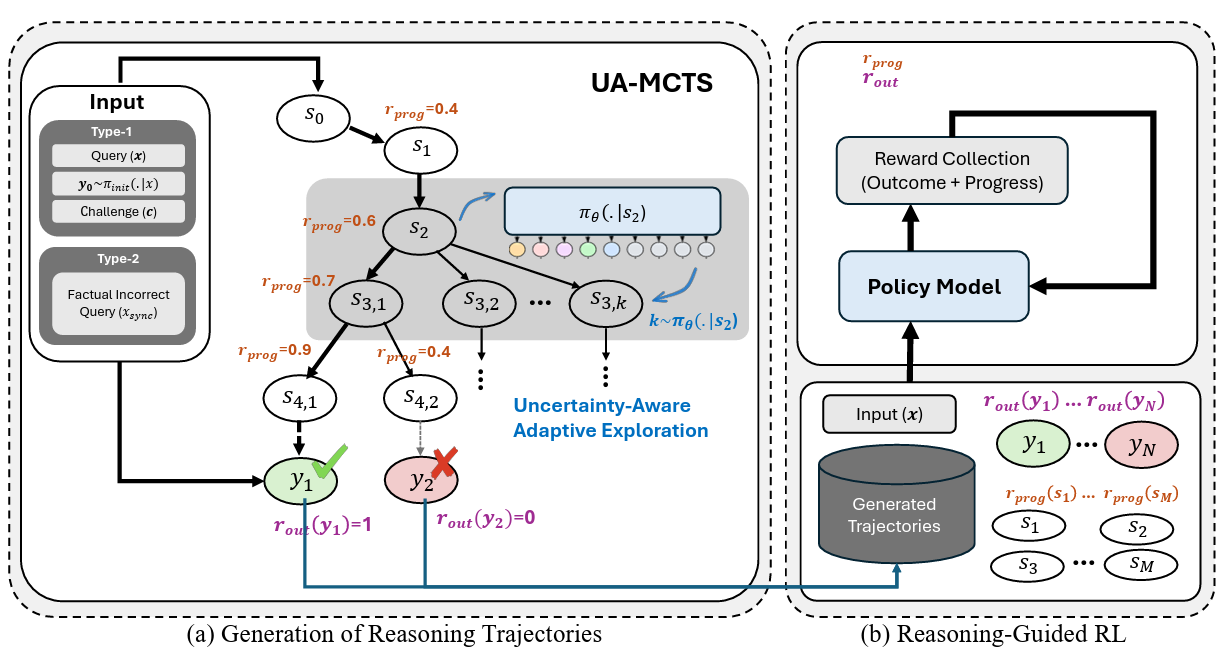
SMART
2025 • EMNLP
Sycophancy Mitigation Through Reinforcement Learning with Uncertainty-Aware Adaptive Reasoning Trajectories.
Media and Activities
Meet Our Team
Principle Investigators




Postdoctoral Fellows

Graduate Students


Undergraduate Students


Interested in participating in our study?
Join the Experiment

